Pasta Academy
How to Cook Fresh Pasta
Cooking Times, Methods and Tips
Cooking pasta is a true art, rooted in the kitchens of Italian grandmothers. Of all the steps, cooking may be the most delicate: a small detail can spoil the result or, on the contrary, bring out its very best.
In this guide you will find cooking times by pasta shape and thickness, tips on water, salt and oil, and advice for long pasta, stuffed pasta and gnocchi.
Our passion
From our grandmothers' kitchens to today's extruded pasta
With skilful hands and plenty of love, Italian grandmothers have always served handmade delicacies, a true expression of home cooking and tradition. The idea of homemade pasta comes from them: a culinary tradition passed down from generation to generation, which still embodies the spirit of Italian cuisine today.
At Pastidea, we have always nurtured a passion for fresh, homemade pasta. Our company was born from that very passion, thanks to the vision of our founder Maurizio Prazza: discover our story.
Our love of pasta and desire to experiment inspired us to extrude pasta into countless different shapes, making the most of every dough, recipe and occasion in a creative and unique way. If you want to explore the most original shapes, take a look at our unusual and distinctive pasta shapes.
But of all the steps, cooking pasta may be the most delicate: each shape has its own cooking time and needs a little special care. It takes very little to spoil the finished dish or, conversely, to bring out its best qualities. Perfect cooking is what turns a good pasta dish into a truly unforgettable experience.
Cooking times
Fresh Pasta Cooking Times
Pasta cooking times depend mainly on the size of the shape and, above all, its thickness. As a general rule, the most common shapes take between 3 and about 10 minutes.
If the dough contains eggs
Another factor affecting cooking time is the composition of the dough: if it contains eggs, the pasta tends to cook more quickly.
If the pasta is dried
On the other hand, dried pasta takes considerably longer to cook. To find out how to dry it properly, read our guide on how to store extruded pasta.
The method
Water, Salt and Oil: How to Cook Fresh Pasta Step by Step
A few simple precautions make the difference between sticky pasta and perfectly cooked pasta. Here are the things to remember.
Plenty of water and a drizzle of oil
When preparing pasta, it is important to cook it in plenty of water to keep it from sticking together. To help separate the shapes during cooking, you can add a drizzle of oil—even just one tablespoon—directly to the water.
Add salt only when the water boils
Pasta water should be salted only once it reaches boiling point: adding salt earlier slows the process of bringing it to a boil. The amount depends on personal taste; start with a small quantity and add more later if needed.
Use a lid to boil the water, not to cook the pasta
Covering the pot with a lid helps the water boil more quickly, but the lid should be removed when you add the pasta. During cooking, steam and the starch released can otherwise cause the water to boil over.
The wooden spoon trick to prevent boiling over
One useful way to prevent the pot from boiling over is to place a wooden spoon across the top of the pot.
Checking doneness
How to Tell When Pasta Is Cooked
It is always important to taste the pasta before draining it, to check whether it is cooked to your preference.
Taste it
Tasting is still the most reliable way to decide when to drain the pasta.
Cut a piece of pasta
If you prefer not to taste it, another option is to cut a piece of pasta and inspect the centre.
Look inside
If the inside has an even colour and texture, the pasta is probably cooked. If you can see a white line, it is still undercooked.
Long pasta
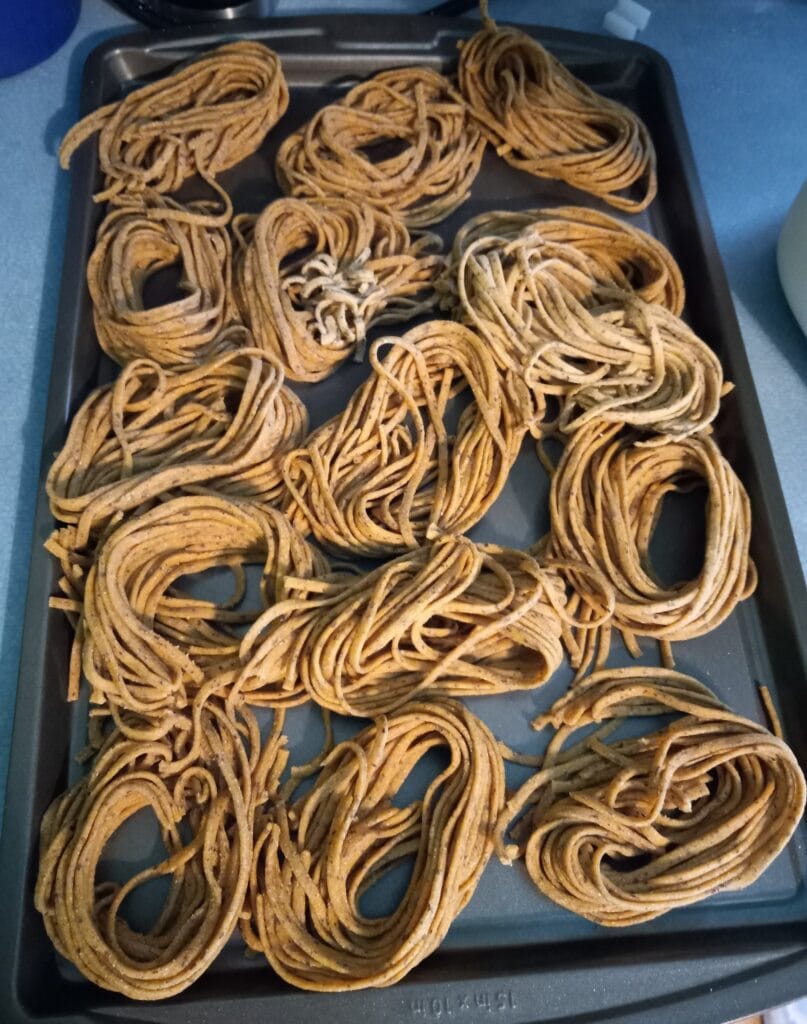
How to Cook Long Pasta: Making Nests
For the best results when cooking long pasta, form small nests before placing them in the water to ensure more even cooking.
A teaspoon of oil
In this case, you can add a teaspoon of oil to the water to help prevent the nests from sticking together.
Move them gently
During cooking, gently move the nests with a fork, without breaking them, to help them loosen and separate.
Wood rather than steel
As a general rule, stir pasta occasionally, preferably with a wooden spoon, avoiding steel utensils.
Stuffed pasta and gnocchi
Ravioli, Stuffed Pasta and Gnocchi: Useful Tips
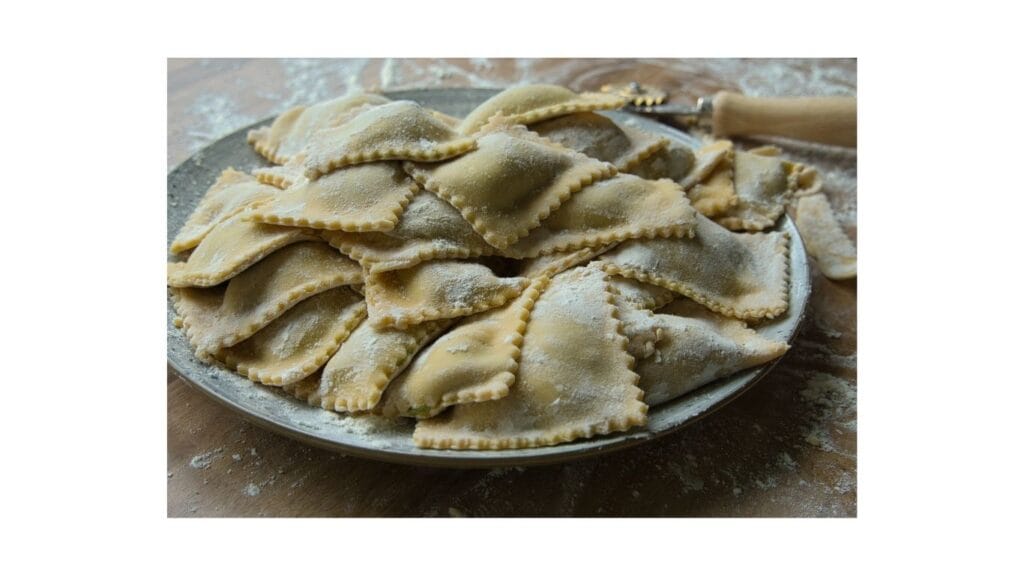
Ravioli: keep the heat moderate
For stuffed pasta such as ravioli, bring the water to a boil and then lower the heat slightly: boiling too vigorously could tear the dough and make the filling escape. If you would like to make them at home, discover our ravioli, tortellini and biscuit moulds.
Wait until they float
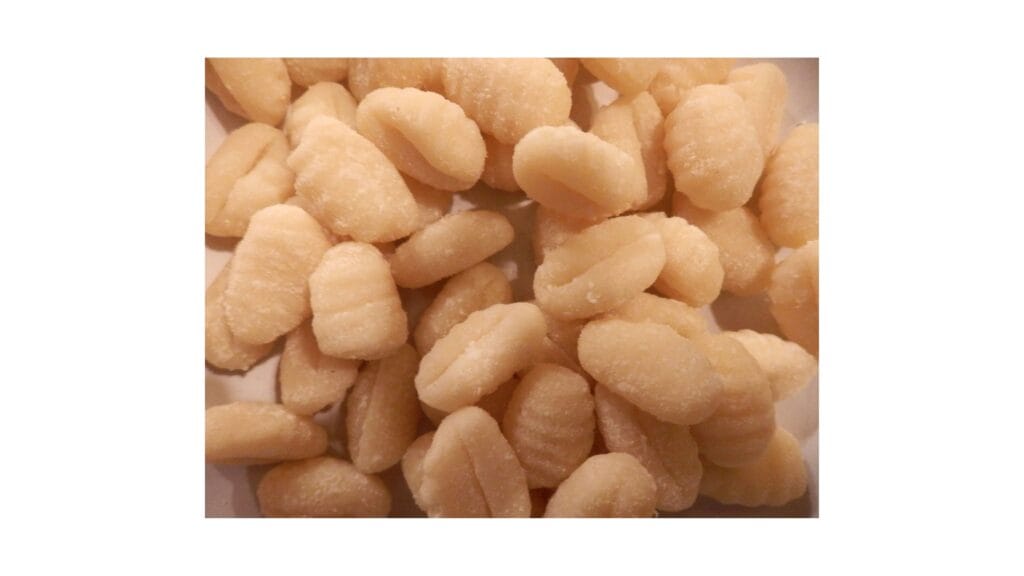
A useful trick for gnocchi is to wait until they float to the surface: they generally cook in 2–3 minutes. When they rise, taste one to check whether it is cooked. Do not leave them in the water for too long or they may fall apart.
Frequently asked questions
FAQ: Cooking Fresh Pasta
How long does fresh pasta take to cook?
It depends on the shape and thickness: generally 3 to about 10 minutes for the most common shapes. With a thickness of 0.8–1.2 mm, the average time is 6–7 minutes, while above 1.5 mm it may take up to 20 minutes.
Does egg pasta cook faster?
Yes. If the dough contains eggs, the pasta tends to cook more quickly. Dried pasta, on the other hand, needs considerably more time.
When should I add salt to pasta water?
Only when the water has reached a boil: adding salt earlier slows the boiling process. Start with a small amount and add more if needed.
How do I stop pasta from sticking?
Cook it in plenty of water and add a drizzle of oil, even just one tablespoon. Stir occasionally with a wooden spoon, avoiding steel utensils.
How can I tell if the pasta is cooked?
Taste it: that is the most reliable method. Alternatively, cut a piece and inspect the centre: if it looks even, it is probably cooked; if you see a white line, it is still undercooked.
How do I cook ravioli and gnocchi?
For ravioli, bring the water to a boil and lower the heat slightly so the dough does not tear. Gnocchi are generally ready in 2–3 minutes, when they float to the surface.
Pasta Academy
From Dough Preparation to the Table
In the Pasta Academy you will find guides, recipes and troubleshooting tips for making pasta at home or professionally. Good cooking starts with good dough: find out how to calculate hydration in our dough hydration guide and how to work with it in our guide to handling dough for extruded pasta.