Pasta Academy
Cleaning Pastidea Pasta Dies
Bronze, POM and PVD: how to clean them without damage
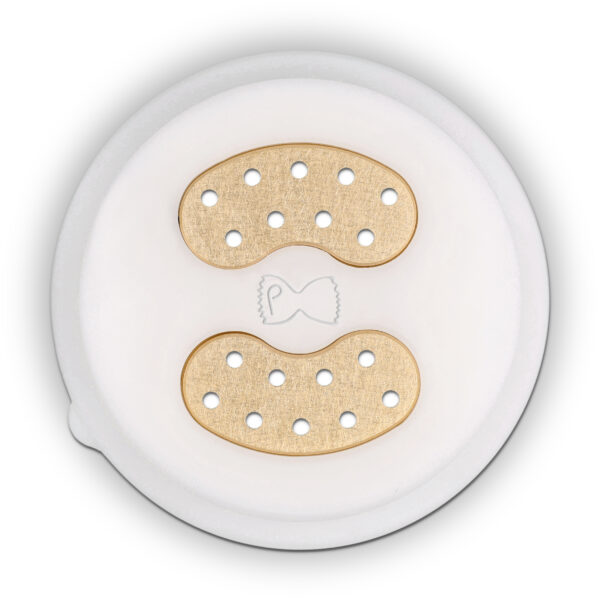
Cleaning pasta dies is often one of the most demanding steps when preparing fresh pasta with the Philips Pasta Maker. Bronze and POM (polyoxymethylene) dies in particular can be difficult to clean, especially when they have numerous small holes or very thin sections.
To help with this, Pastidea provides practical instructions and useful tips to make die maintenance easier, prevent damage and extend their lifespan.
Why it matters
Clean dies, better pasta and a longer lifespan
A die that is cared for after every use performs better and lasts longer. Simple, regular maintenance helps prevent damage and keeps the holes clear, so the pasta extrudes evenly every time.
Whether you use bronze or POM dies, a few simple steps are all it takes. Below you will find the methods recommended by Pastidea. If you are still unsure which material to choose, read our Bronze vs POM guide or explore all Pastidea pasta dies.
Step by step
General recommendations
Three simple rules for cleaning pasta dies effectively without damaging them.
Removing dry dough residue
After use, disassemble the die, remove any visible dough residue and let it dry for a few minutes. Once hardened, the residue will come away easily and can be removed with a pointed tool, such as a toothpick, or with the dedicated cleaning tool available on our website.
Soaking in warm water
Soaking the die in warm water for 10–30 minutes softens any remaining dough and makes cleaning easier.
Dishwasher cleaning
POM dies and PVD-coated dies can be washed in the dishwasher. Standard bronze dies, however, are not dishwasher safe: dry them thoroughly with a soft cloth to prevent stains. Any discoloration can be removed with lemon or vinegar, making sure to rinse away all residue thoroughly.
Easy maintenance
Disassemblable dies: easier cleaning
Many of our Pastidea dies are designed with separable parts, making them easier to clean and allowing dough residue to be removed even from hard-to-reach areas.
Interchangeable inserts and separable die holders
Pastidea also offers a practical system with interchangeable inserts and separable die holders. The inserts can be removed from the holder for more thorough cleaning and easily replaced, allowing you to make different pasta shapes using the same die holder.
By material
How to clean POM, bronze and PVD dies
The cleaning method for pasta dies varies depending on the material. To keep them in excellent condition over time, it is important to follow a few simple guidelines.
POM dies
They can be washed both by hand and in the dishwasher. Some holes may still require careful manual cleaning.
Standard bronze dies
They require gentle hand cleaning and thorough drying. Avoid the dishwasher to prevent stains and oxidation.
PVD-coated dies
They can be washed both by hand and in the dishwasher. The coating makes cleaning and maintenance easier. Some holes may still require careful manual cleaning.
To learn more about the differences between materials, read our guide to pasta die materials.
For deep cleaning
Recommended tools and methods
When the holes are small and numerous, the right tools make all the difference.
Gentle manual cleaning
Use the Pastidea cleaning tool, available on our website, or a soft-bristled toothbrush or paintbrush to gently remove flour and dough from the holes.
Dental water flosser
For effective deep cleaning, we recommend using a dental water flosser. Ideally, immerse both the flosser tip and the die in a bowl of water while cleaning: this prevents splashing and ensures quick, thorough cleaning, often faster and more effective than a dishwasher.
Tips for cleaning pasta dies
When the die design allows it, separating its components before cleaning makes it easier to reach the internal parts.
Regular, thorough cleaning helps keep the dies in good condition and ensures the best possible results when extruding pasta.

The right tool
The Pastidea cleaning tool
To remove dough residue from the holes of bronze and POM dies, use the Pastidea cleaning tool, designed for die maintenance and available on our website.
Discover the cleaning toolFrequently asked questions
FAQ about cleaning pasta dies
How do you clean Philips Pasta Maker dies?
After use, disassemble the die, remove visible dough residue and let it dry for a few minutes. Once hardened, it comes away easily with a toothpick or the Pastidea cleaning tool. Alternatively, soak the die in warm water for 10–30 minutes.
Can pasta dies be washed in the dishwasher?
POM and PVD-coated dies can. Standard bronze dies cannot: they must be dried thoroughly with a soft cloth to avoid stains.
How do I remove discoloration from bronze dies?
Any discoloration can be removed with lemon or vinegar. Make sure to rinse away all residue thoroughly.
What should I use to clean the smallest holes?
The Pastidea cleaning tool, a soft-bristled toothbrush or a paintbrush. For deep cleaning, we recommend a dental water flosser.
How do you use a dental water flosser?
Immerse both the water flosser tip and the die in a bowl of water. This prevents splashing and provides fast, thorough cleaning, often faster and more effective than a dishwasher.
Pasta Academy
Explore our other guides
From dough preparation to cooking, the Pasta Academy has everything you need for great results at home.