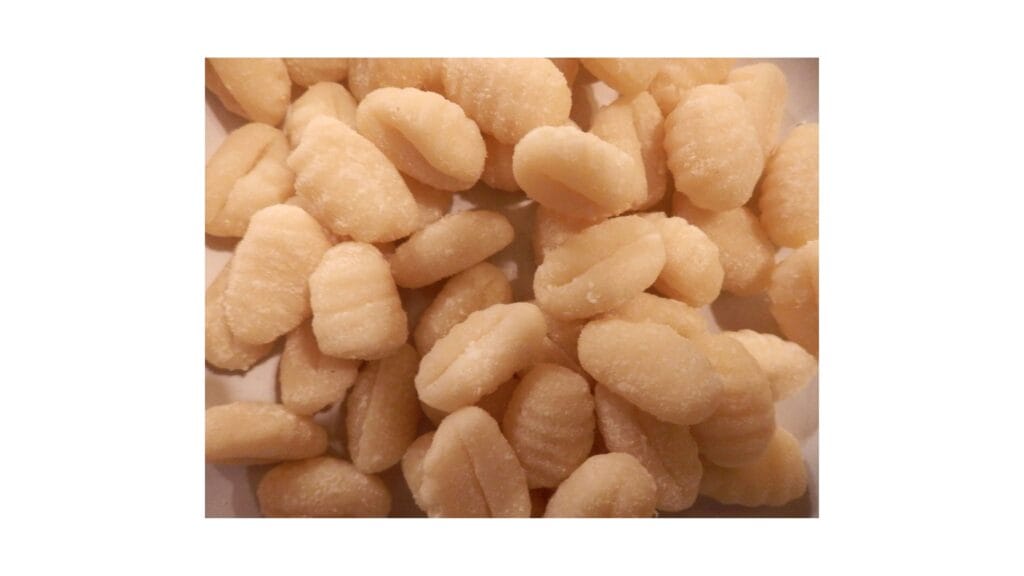
Cooking pasta is a true art form, one that has its roots in the kitchens of Italian grandmothers. With expert hands and lots of love, they’ve always brought homemade delicacies to the table — a genuine expression of traditional home cooking. The idea of homemade pasta comes from them: a culinary tradition passed down through generations, which still today fully embodies the spirit of Italian cuisine.
At Pastidea, we’ve always nurtured a deep passion for fresh, homemade pasta. Our company was born from this passion, thanks to the vision of our founder, Maurizio Prazza.
From a love for pasta and a desire to experiment came the idea of extruding pasta into countless shapes — to enhance every dough, every recipe, and every occasion in a unique and creative way.
But among all the steps, cooking pasta is perhaps the most delicate. Each shape has its own cooking time and needs specific care. It only takes a small mistake to compromise the final result — or to elevate it to perfection. The right cooking makes the difference between a good plate of pasta and an unforgettable experience.
Cooking times for pasta mainly depend on the size and especially the thickness of the shape. On average, they range from as little as 3 minutes to about 10 minutes for common sizes. For thicker pasta (over 1.5 mm), cooking time can reach up to 20 minutes. For pasta with a thickness between 0.8 mm and 1.2 mm, the average cooking time is around 6–7 minutes.

Another key factor is the dough composition: if it contains eggs, the pasta tends to cook more quickly. On the other hand, dried pasta takes longer to cook.
During preparation, it's important to boil the pasta in plenty of water to prevent it from sticking. To help the pasta separate during cooking, you can add a small amount of oil — even just one tablespoon — to the water.
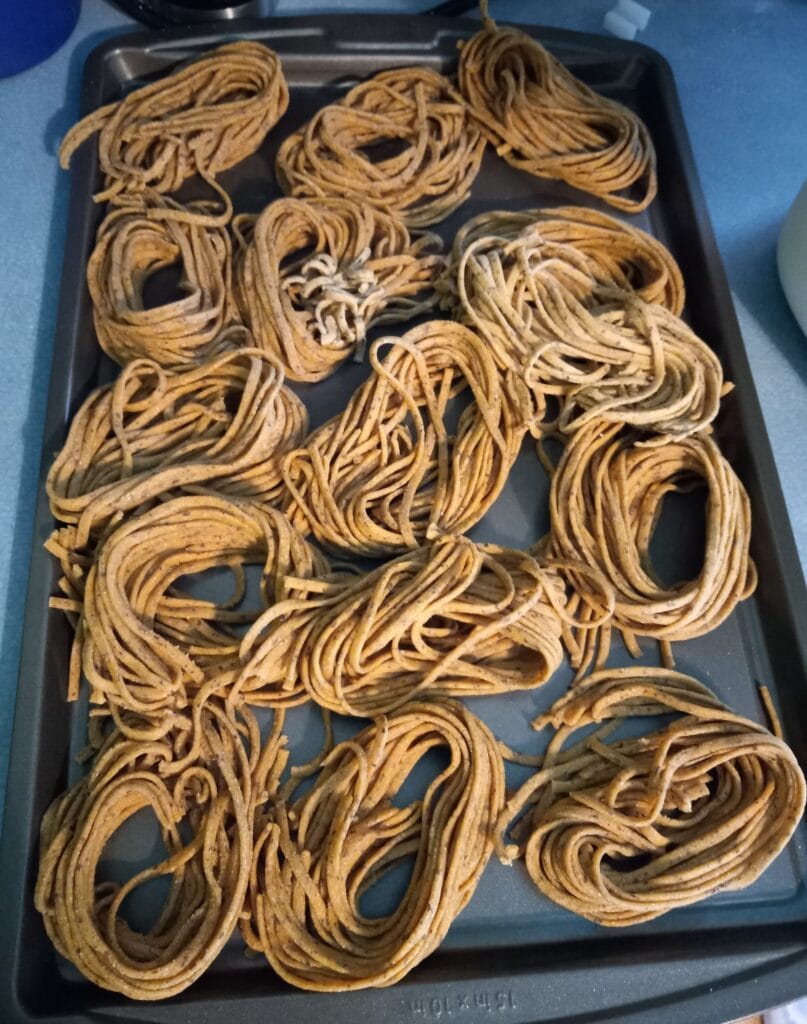
For long pasta, it helps to form small “nests” before placing it in the water — this ensures even cooking. In this case, add a teaspoon of oil to the water to keep the nests from sticking together, and gently stir with a fork (without breaking the pasta) to help them separate. In general, pasta should be stirred occasionally with a wooden spoon, avoiding metal utensils.
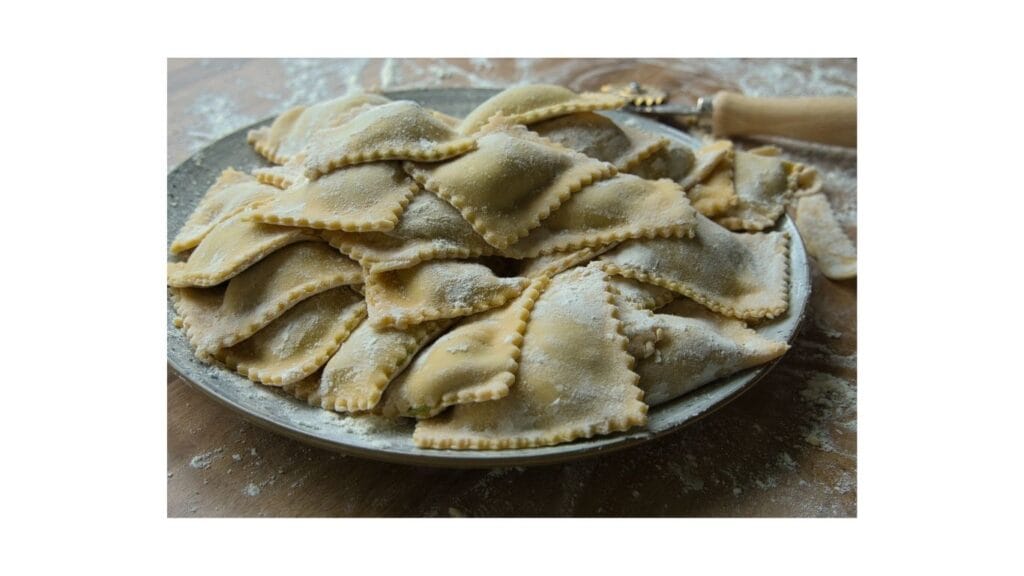
When cooking filled pasta like ravioli, bring the water to a boil and then lower the heat slightly. A vigorous boil could break the delicate dough and cause the filling to leak out.
A useful trick for gnocchi is to wait until they float to the surface — this usually takes 2–3 minutes. Once they rise, taste one to check doneness. Be careful not to overcook them, or they may fall apart.